
Introduction
By 2026, search is no longer limited to traditional search engines and blue links. Users now discover information through AI-powered assistants, multimodal search engines, voice interfaces, enterprise copilots, and embedded AI systems inside apps, browsers, and operating systems. These systems don’t just rank websites—they interpret, summarize, cite, and sometimes answer questions without sending users directly to a page.
In this environment, website optimization has evolved. It is no longer only about SEO for keywords, but about optimizing for AI understanding, trust, retrieval, and usefulness. Websites that fail to adapt risk becoming invisible—not because they are low quality, but because AI systems cannot reliably interpret or prioritize them.
From Search Engines to Answer Engines
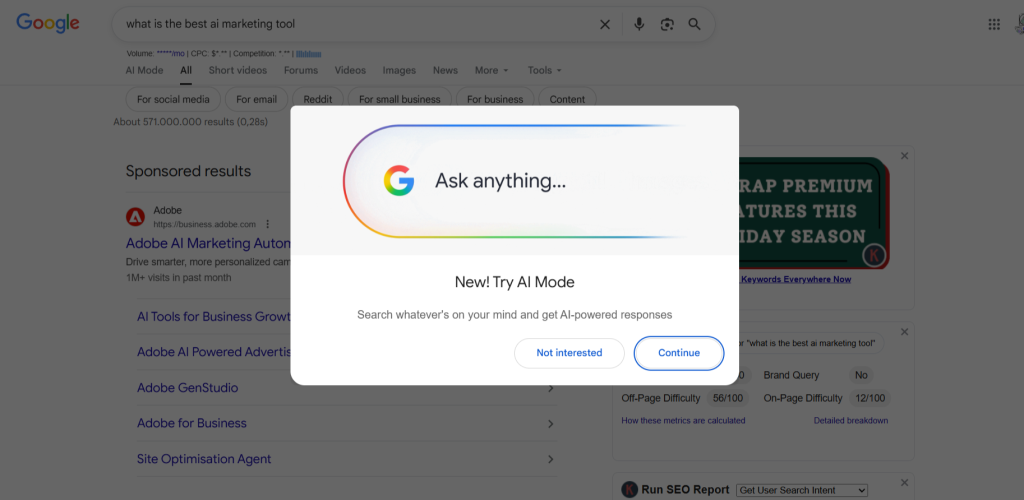
AI search systems operate differently from classic crawlers:
- They extract meaning, not just keywords
- They evaluate authority and consistency across sources
- They summarize and reframe content dynamically
- They may reference a brand without linking to it
As a result, optimization in 2026 is about making your website AI-readable and AI-preferable. Your content must be easy for machines to parse, verify, and confidently reuse in generated answers.
Optimization Is Now About Understanding, Not Just Ranking

Traditional SEO focused on signals like backlinks, keywords, and metadata. While these still matter, AI search introduces deeper layers:
- Semantic clarity: AI systems favor content that is explicit, structured, and unambiguous
- Topical authority: Sites that comprehensively cover a subject outperform thin, isolated pages
- Contextual relevance: Content must match user intent, not just query terms
In 2026, a well-optimized website is one that clearly communicates who it is for, what it offers, and why it can be trusted—both to users and machines.
Technical Optimization Remains the Foundation

AI systems still rely on clean technical foundations to access and process content efficiently. Key technical factors include:
- Fast load times and Core Web Vitals
- Mobile-first and responsive design
- Proper indexing, crawlability, and internal linking
- Structured data (schema) to clarify entities, products, authors, and organizations
Without strong technical optimization, even the best content may never be fully understood or surfaced by AI systems.
Structured Content Wins in AI Search

AI models prefer content that is logically organized and easy to extract insights from. This means:
- Clear headings and subheadings
- Short, focused paragraphs
- Lists, tables, and definitions where appropriate
- Consistent terminology across pages
Structured content increases the likelihood that AI systems will quote, summarize, or cite your website in generated responses—often becoming the source of truth for a topic.
Trust, Authority, and Brand Signals Matter More Than Ever

AI search places heavy emphasis on trust. In 2026, optimization must include:
- Transparent authorship and credentials
- Accurate, up-to-date information
- Consistent brand mentions across reputable sources
- Clear policies, contact information, and business details
Websites that demonstrate real-world credibility are more likely to be used by AI systems when forming answers, recommendations, and comparisons.
Optimization for Zero-Click and AI-Driven Experiences
Many AI searches no longer result in a click. Instead, users receive answers directly within the interface. This changes the goal of optimization:
- Visibility replaces traffic as a primary metric
- Being referenced becomes as valuable as being clicked
- Brand recall and trust influence future decisions
Optimized websites provide concise, quotable insights that AI systems can reuse—keeping the brand present even when the user never visits the page.
Multimodal Optimization Is No Longer Optional

AI search in 2026 is multimodal, combining text, images, video, audio, and data. Website optimization must reflect this reality:
- Optimized images with descriptive context
- Video content with transcripts and summaries
- Clear product data for visual and voice search
- Consistent messaging across formats
Websites that support multiple content types are easier for AI systems to understand and recommend across different interfaces.
Continuous Optimization in a Rapidly Evolving Ecosystem

AI search technology evolves quickly. Algorithms, models, and interfaces change far faster than traditional search engines once did. This makes ongoing optimization essential:
- Regular content updates and pruning
- Monitoring how AI systems reference your brand
- Adapting content for new AI platforms and assistants
- Testing and refining structure, clarity, and depth
In 2026, website optimization is not a one-time project—it is a continuous strategic discipline.
Conclusion
Website optimization in 2026 is about far more than rankings. It is about ensuring your website can be understood, trusted, and utilized by AI systems that increasingly mediate how people access information.
Businesses and creators who invest in AI-focused website optimization gain a critical advantage: they become the sources AI relies on, cites, and recommends. Those who ignore it risk fading from digital visibility altogether.
In the age of AI search, optimization is no longer optional—it is foundational to relevance, credibility, and long-term digital success.
I’ve written a full, publication-ready article in the canvas covering how website optimization has evolved for AI-driven search in 2026, including answer engines, zero-click results, trust signals, structured content, and multimodal discovery.
Frequently Asked Questions
Find answers to common questions below


